
How Eye Scans Can Reveal Early Signs of Neurological Conditions
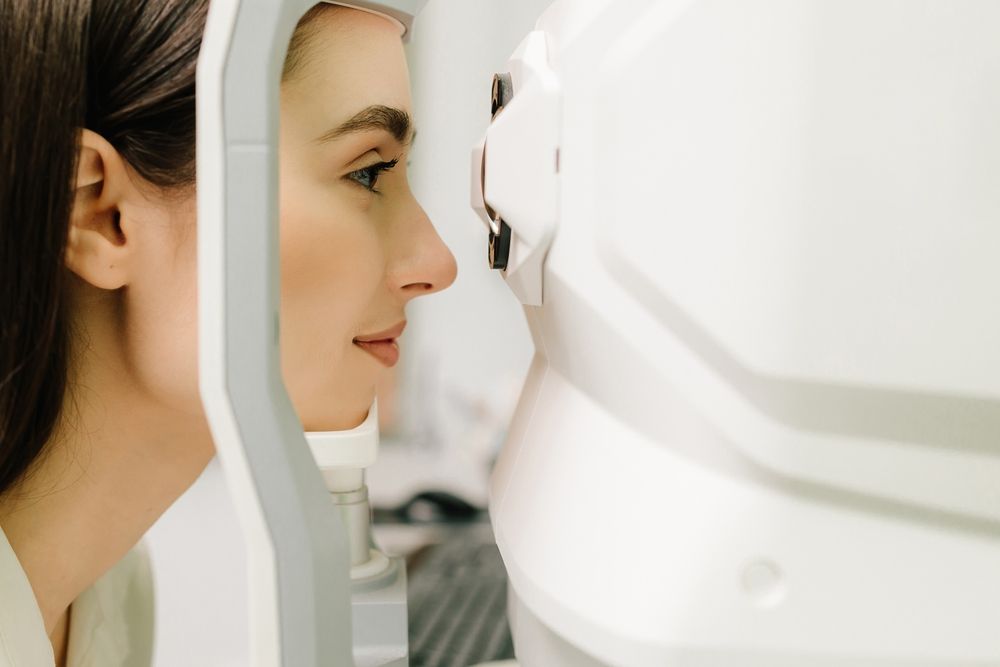
Most people think of eye exams as a way to update glasses or contact lenses. But the eyes do far more than help us see - they offer a unique window into the health of the brain and nervous system. Thanks to advances in diagnostic technology, modern eye scans can sometimes reveal early signs of neurological conditions long before noticeable symptoms appear.
Why the Eyes Matter in Neurological Health
The eye is the only place in the body where doctors can directly view blood vessels and nerve tissue without surgery. The retina, located at the back of the eye, is actually an extension of the brain. Changes in retinal blood vessels or the optic nerve can reflect changes happening in the central nervous system.
Because of this close connection, certain neurological conditions may leave subtle clues in the eyes before symptoms such as memory loss, coordination issues, or headaches become obvious.
The Role of Comprehensive Eye Exams
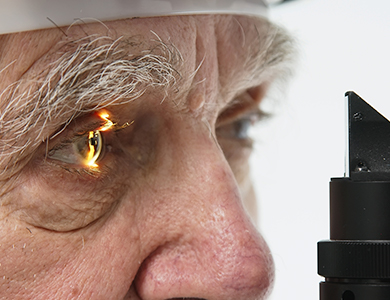
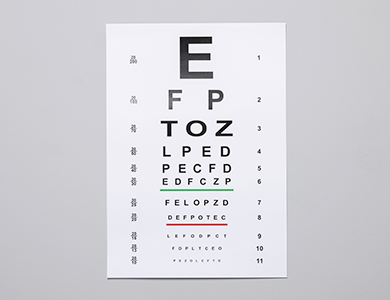
A comprehensive eye exam goes far beyond reading letters on a chart. It evaluates the health of the eyes and visual system in detail, including the optic nerve, retina, and blood vessels. These structures can show early warning signs of neurological stress or disease.
During a comprehensive exam, your eye doctor may look for:
- Swelling or damage to the optic nerve
- Changes in retinal blood vessels
- Thinning or abnormalities in nerve tissue
- Visual processing changes that may reflect brain function
These findings don’t diagnose neurological conditions on their own, but they can signal the need for further medical evaluation.
Advanced Diagnostic Technology
One of the most powerful tools in modern eye care is digital retinal imaging. This technology captures high-resolution images of the retina and optic nerve, allowing eye doctors to examine and monitor even the smallest changes over time.
Digital retinal imaging helps by:
- Detecting subtle nerve or vascular changes early
- Creating a detailed baseline for future comparisons
- Monitoring progression of abnormalities with precision
Because these images are stored digitally, changes that might otherwise go unnoticed can be tracked from one visit to the next.
Neurological Conditions That May Show Eye-Related Changes
While eye exams do not replace neurological testing, they may help identify early signs associated with conditions such as:
- Multiple sclerosis
- Alzheimer’s disease and other forms of dementia
- Parkinson’s disease
- Brain tumors or increased intracranial pressure
Early detection allows for earlier referral, diagnosis, and management, which can make a meaningful difference in outcomes.
Why Early Detection Matters
Neurological conditions often progress gradually, and early symptoms can be subtle or easy to dismiss. Identifying potential warning signs early gives patients and their healthcare providers valuable time to investigate further, begin treatment if necessary, and monitor changes closely.
Schedule Your Comprehensive Eye Exam Today
Comprehensive eye exams paired with advanced diagnostic technology like digital retinal imaging play a vital role in detecting early changes that may otherwise go unnoticed. At Sight for Vision, we believe eye care is health care, and every exam is an opportunity to protect more than just your vision.
Schedule a comprehensive eye exam at Sight for Vision to experience the power of advanced technology designed to care for your eye health and whole-body wellness. Visit our office in Burke, Virginia, or call (703) 425-2000 to book an appointment today.
All Eye
Care Services
Keep
In Touch

CONTACT INFORMATION
HOURS OF OPERATION
Monday 9:00 am - 5:00 pm
Tuesday 9:00 am - 5:00 pm
Wednesday 9:00 am - 5:00 pm
Thursday 9:00 am - 5:00 pm
Friday 9:00 am - 2:00 pm
Saturday 9:00 am - 1:00 pm
(open every other day)
(open every other day)
Sunday Closed
Powered by: 